






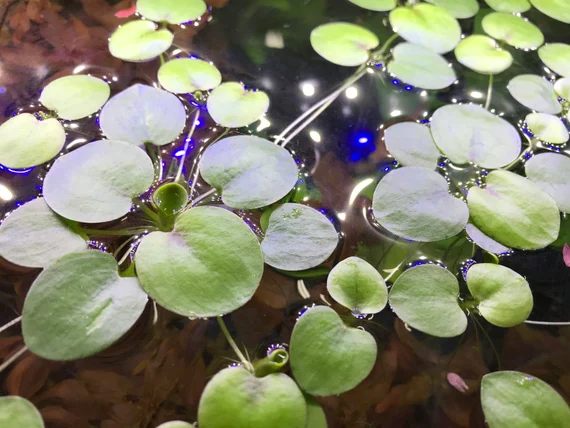
Small, round floating leaves with long, feathery roots that hang into the water column.
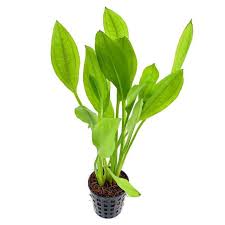
Bright green, broad, sword-shaped leaves. Forms rosettes and can grow tall under proper conditions.
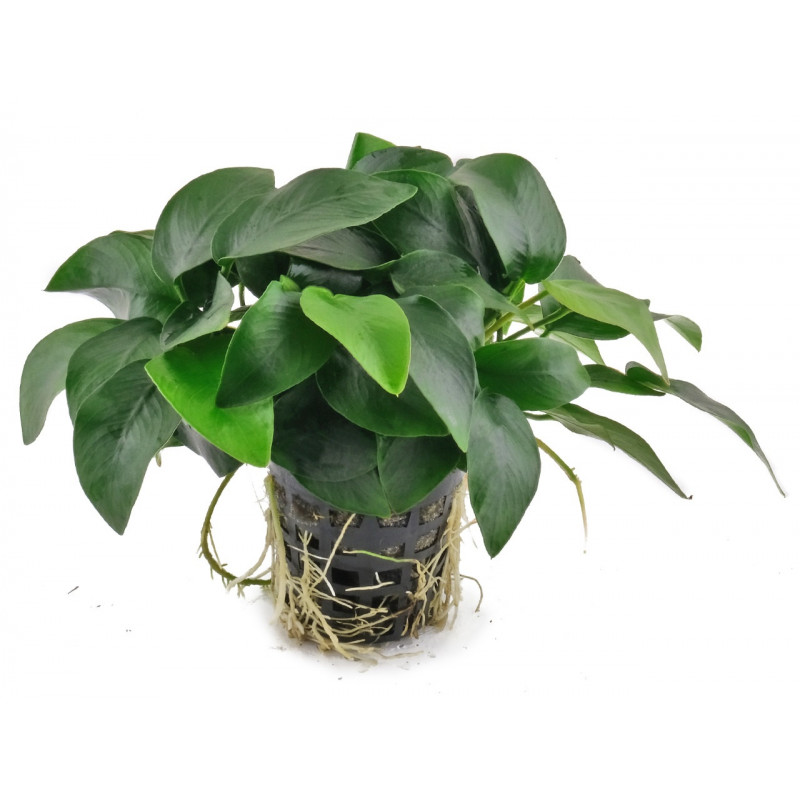
Dark green, thick, and broad leaves with sturdy rhizomes. Can grow attached to hard surfaces.
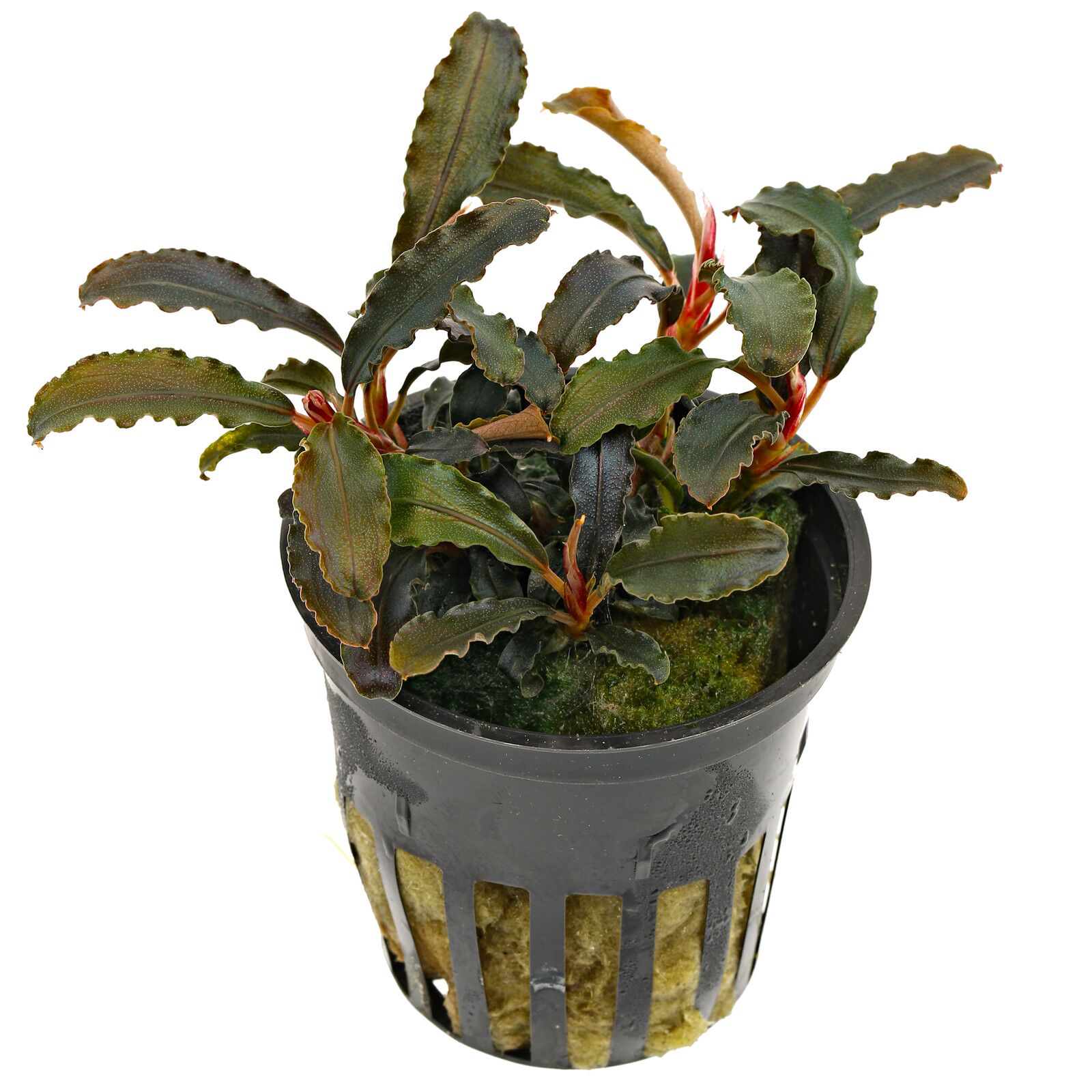
Small, thick, and textured leaves, usually dark green or bluish-green. Grows low and spreads across hard surfaces.

Long, spiraled green leaves that twist naturally. Forms dense clusters, creating a grass-like background effect.
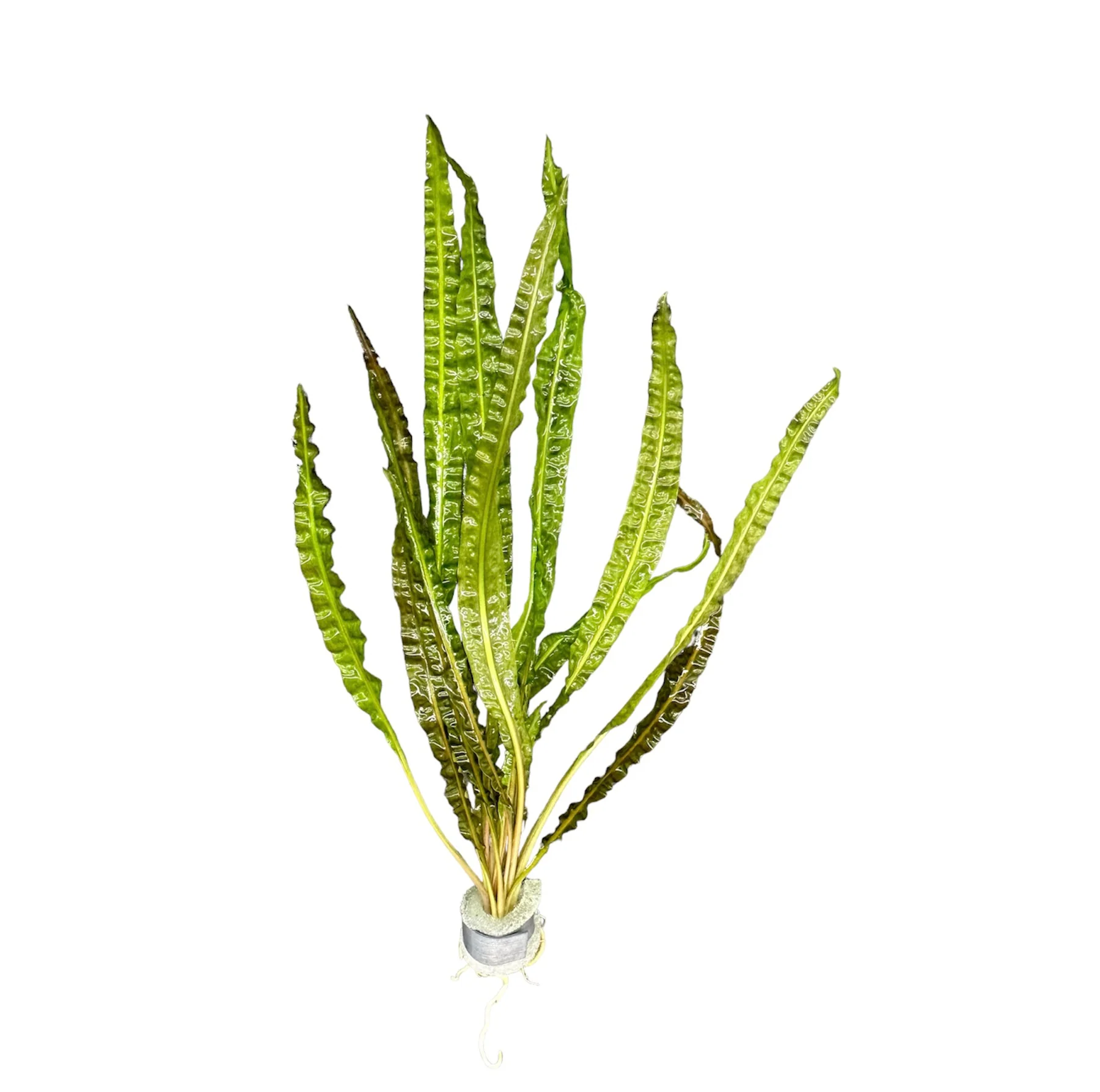
Broad, lance-shaped dark green leaves that grow in a rosette pattern. Can reach moderate height in aquariums.
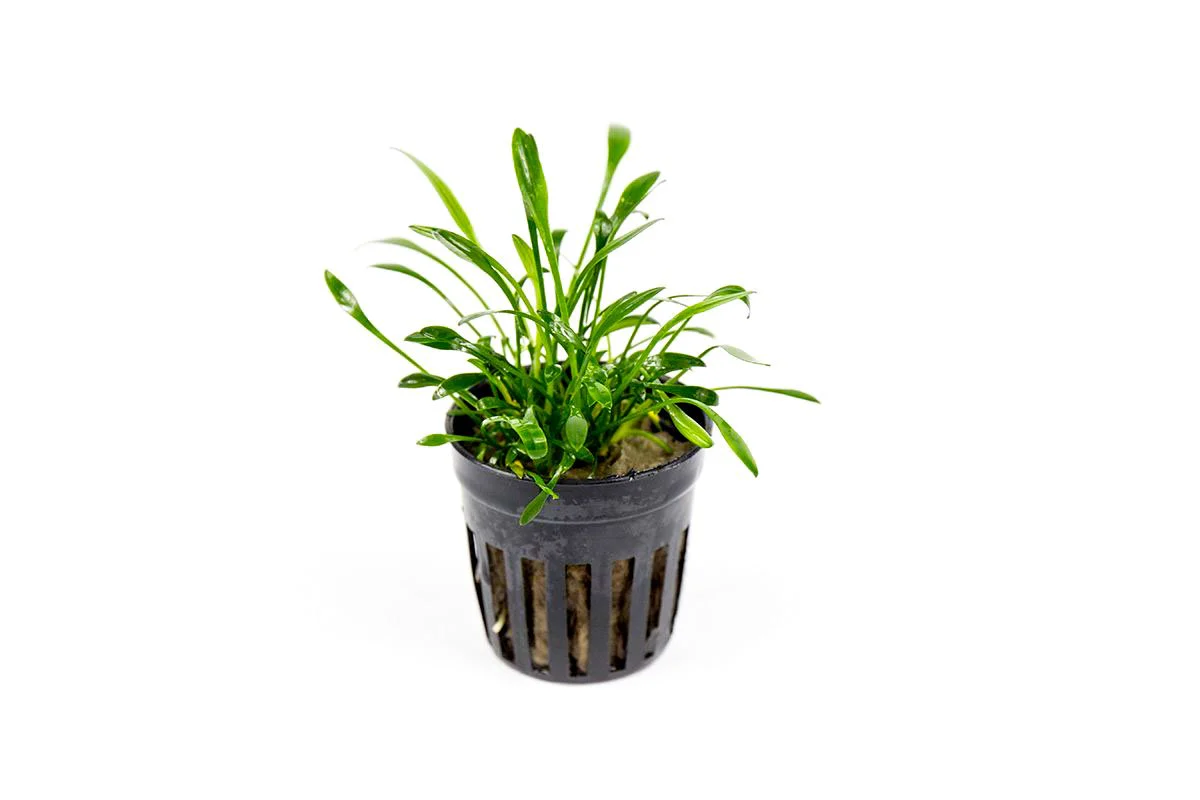
Small, lance-shaped bright green leaves forming dense, low-growing mats. Perfect for foreground or carpet planting.
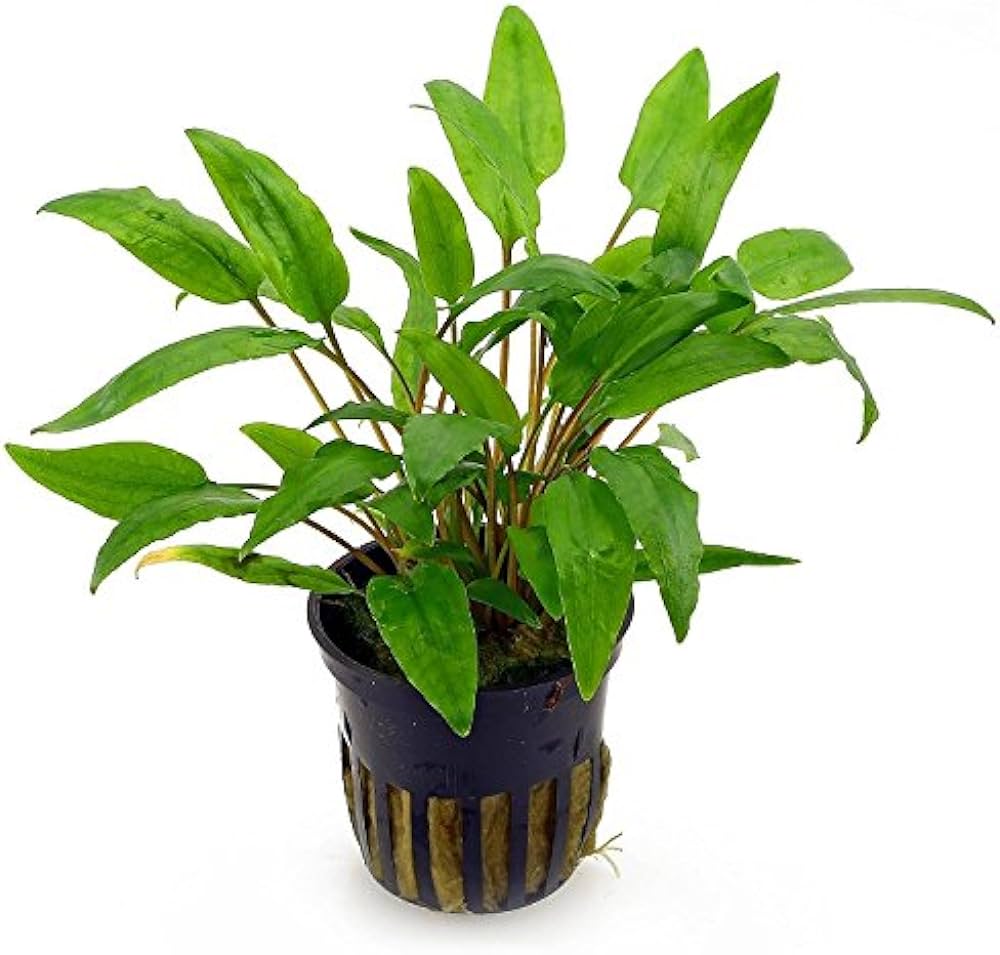
Broad, lance-shaped leaves with a wavy texture, ranging from green to brown depending on lighting and nutrients. Forms rosettes.
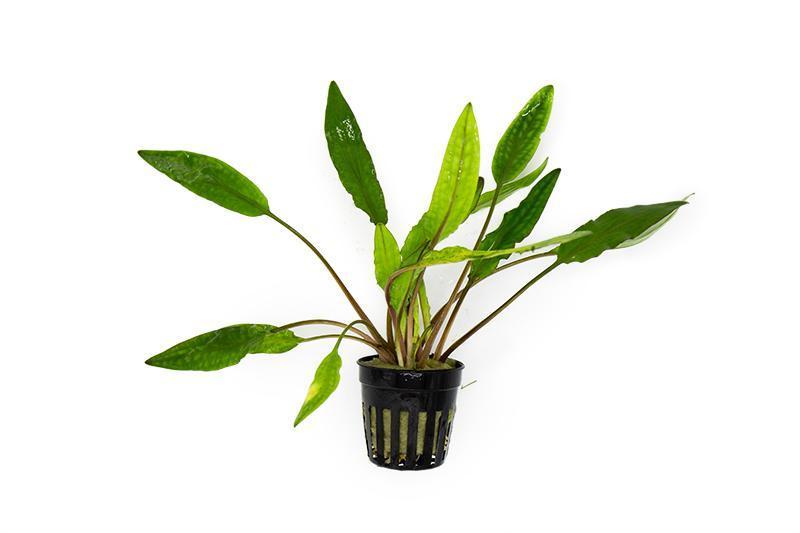
Varies by species: leaves can be green, brown, or reddish, narrow or broad, and sometimes wavy. Forms dense rosettes or clusters.
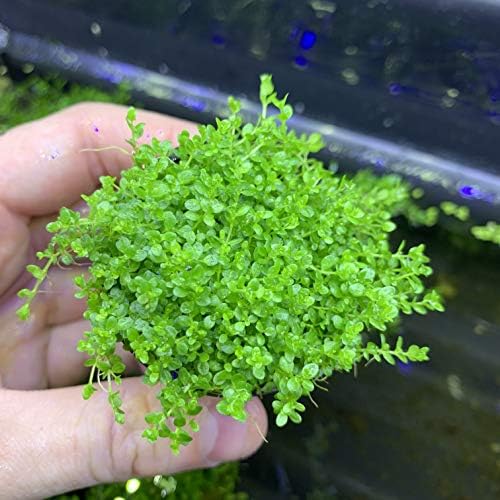
Tiny, bright green leaves forming a dense carpet on the substrate. Creates a lush, natural look in aquascapes.
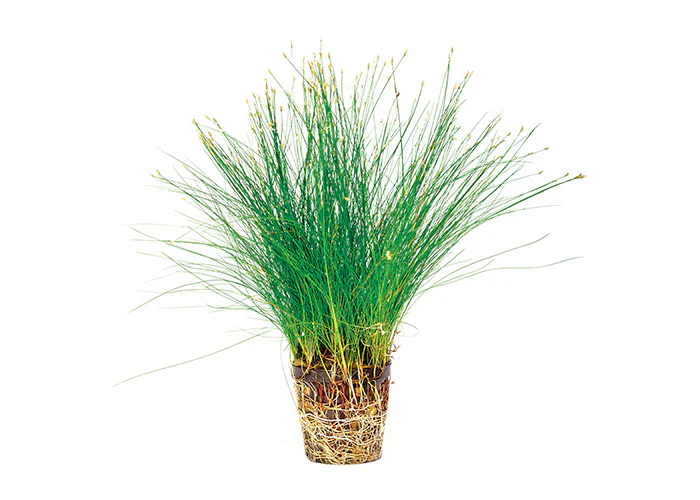
Thin, bright green, grass-like leaves forming dense carpets. Creates a natural meadow effect in aquariums.
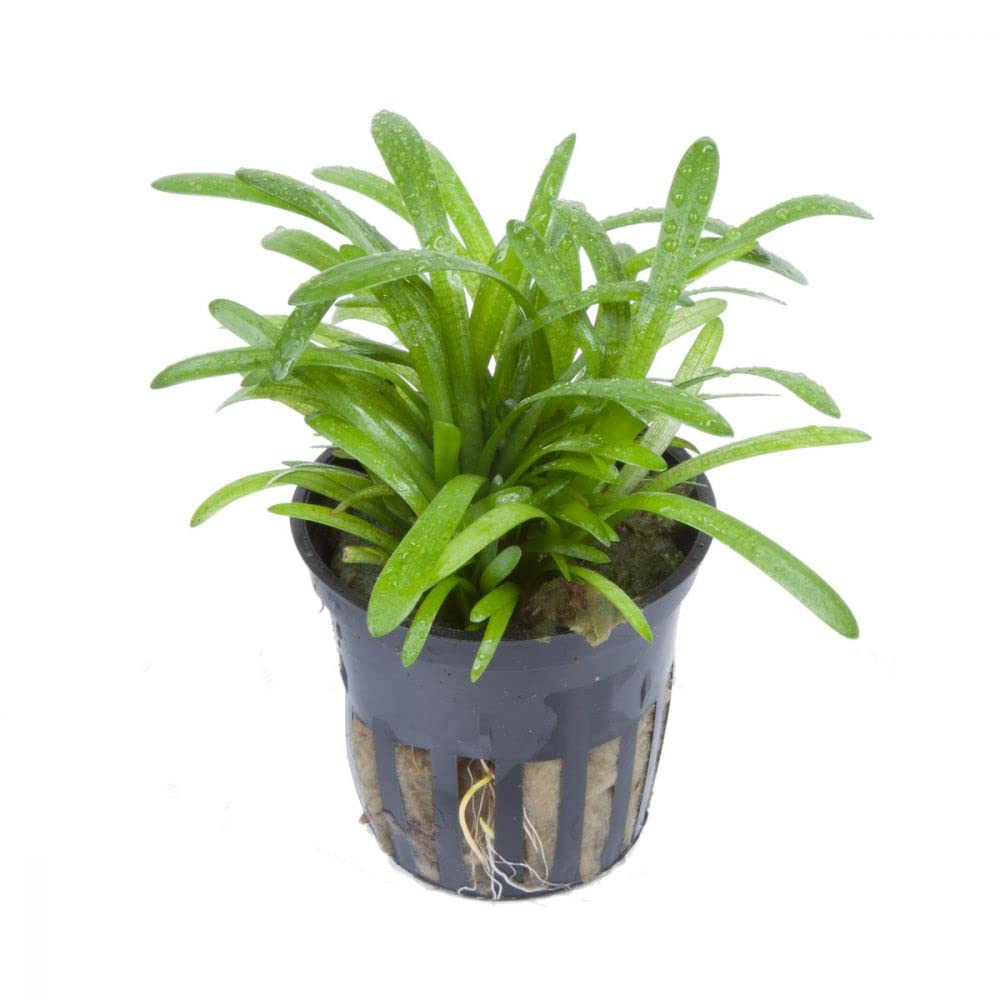
Short, thin, bright green leaves forming dense mats. Creates a natural carpet in aquariums.
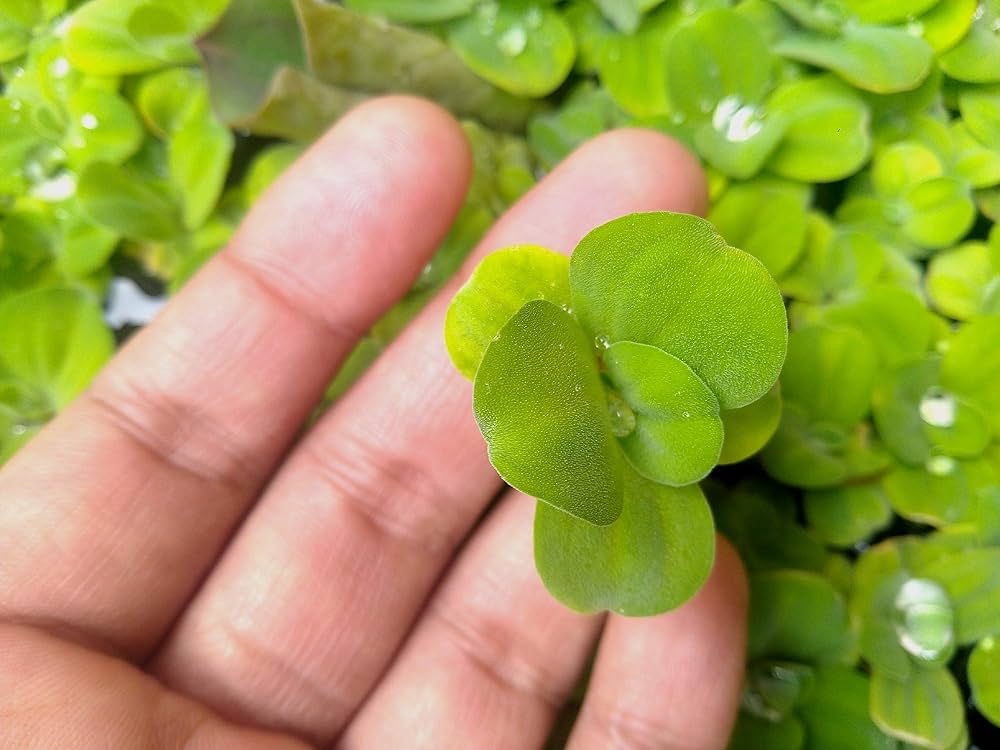
Small, rosette-shaped leaves with soft, fuzzy texture and short roots dangling below. Forms floating clusters on the water surface.
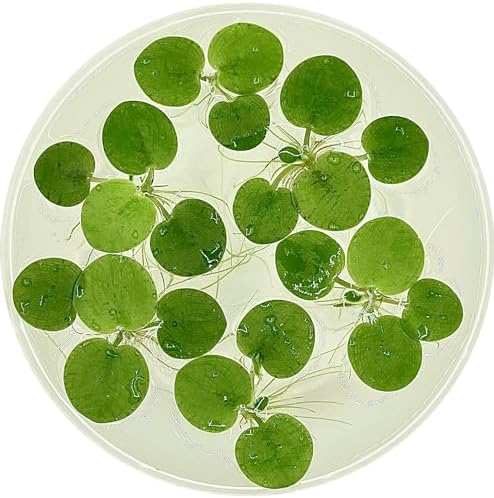
Clusters of green, oval-shaped leaves floating on the surface with short roots dangling beneath.

Whorls of thin, bright green needle-like leaves along flexible stems. Can float freely or be anchored.
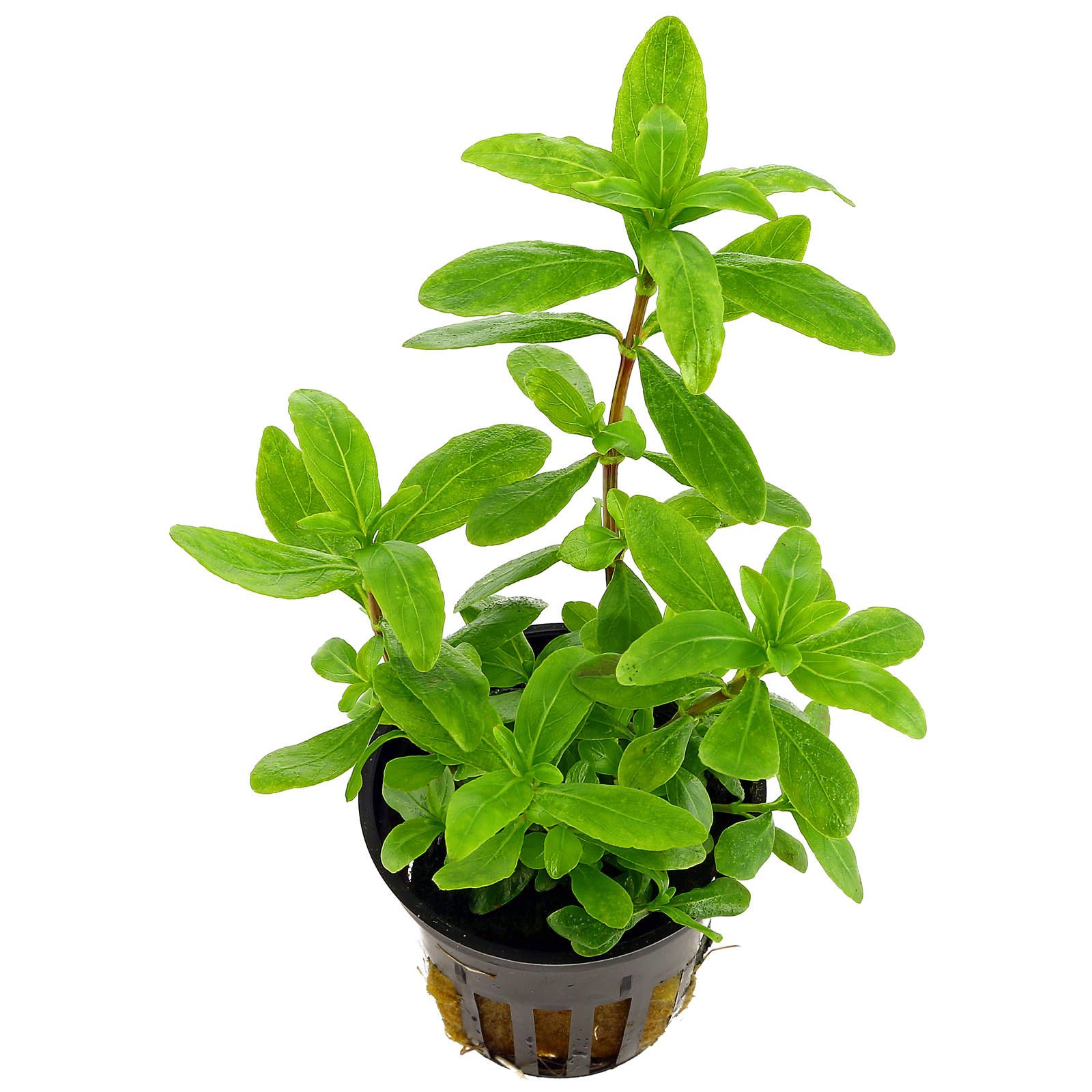
Long, narrow green leaves growing along upright stems. Can reach medium to tall heights depending on light and nutrients.
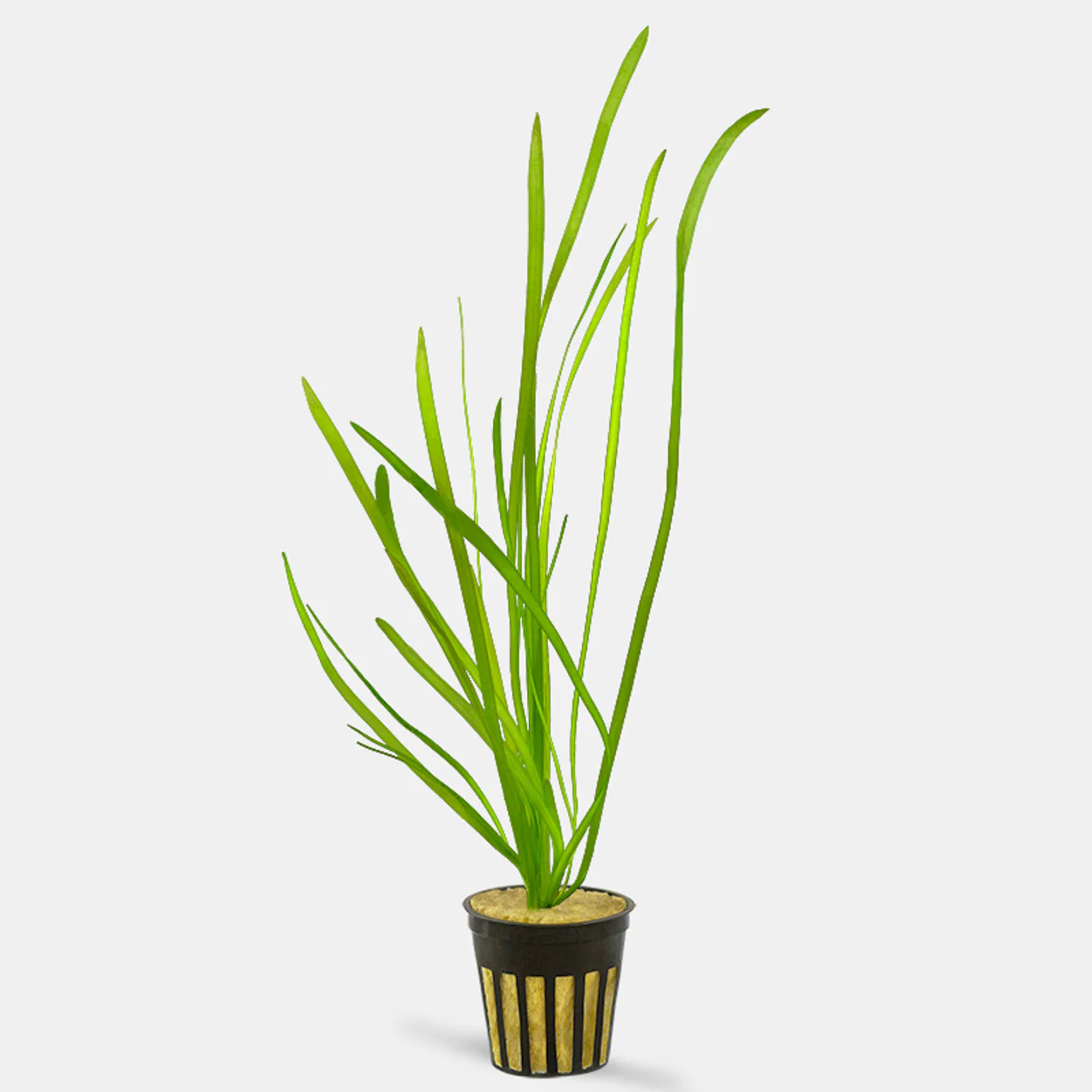
Long, ribbon-like green leaves that sway with water movement. Can grow tall and form dense background coverage.

Broad, green, leathery leaves growing from a central rhizome. Can attach to rocks, wood, or substrate.
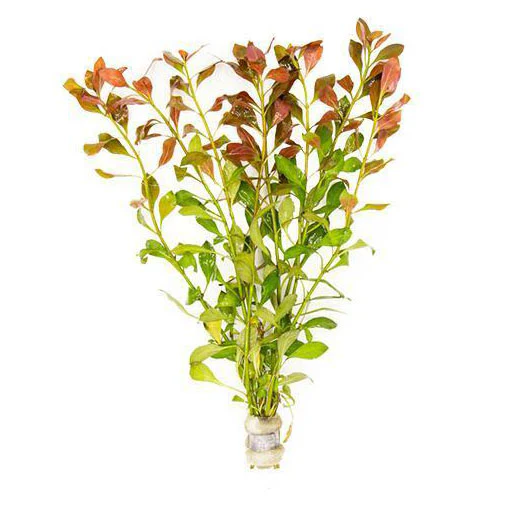
Bright green to red elongated leaves along upright stems. Color intensity increases with higher light and nutrients.
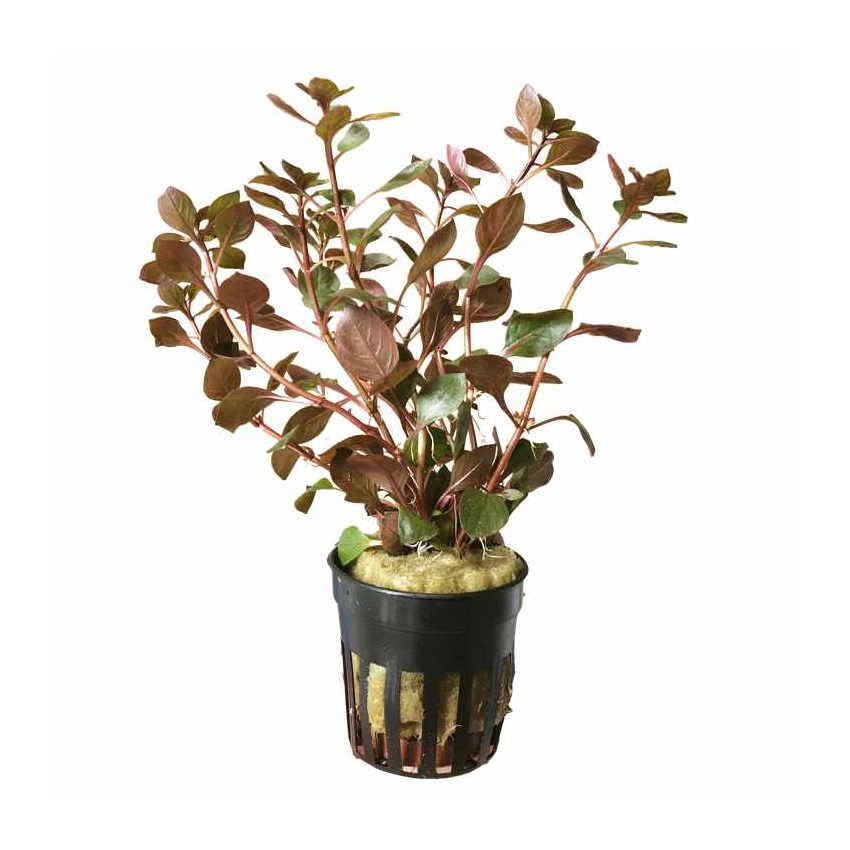
Small to medium oval leaves, bright green turning red under high light. Forms dense clusters along stems.
Long, lace-like leaves with holes, giving a delicate, ornamental appearance. Adds dramatic effect to aquascapes.
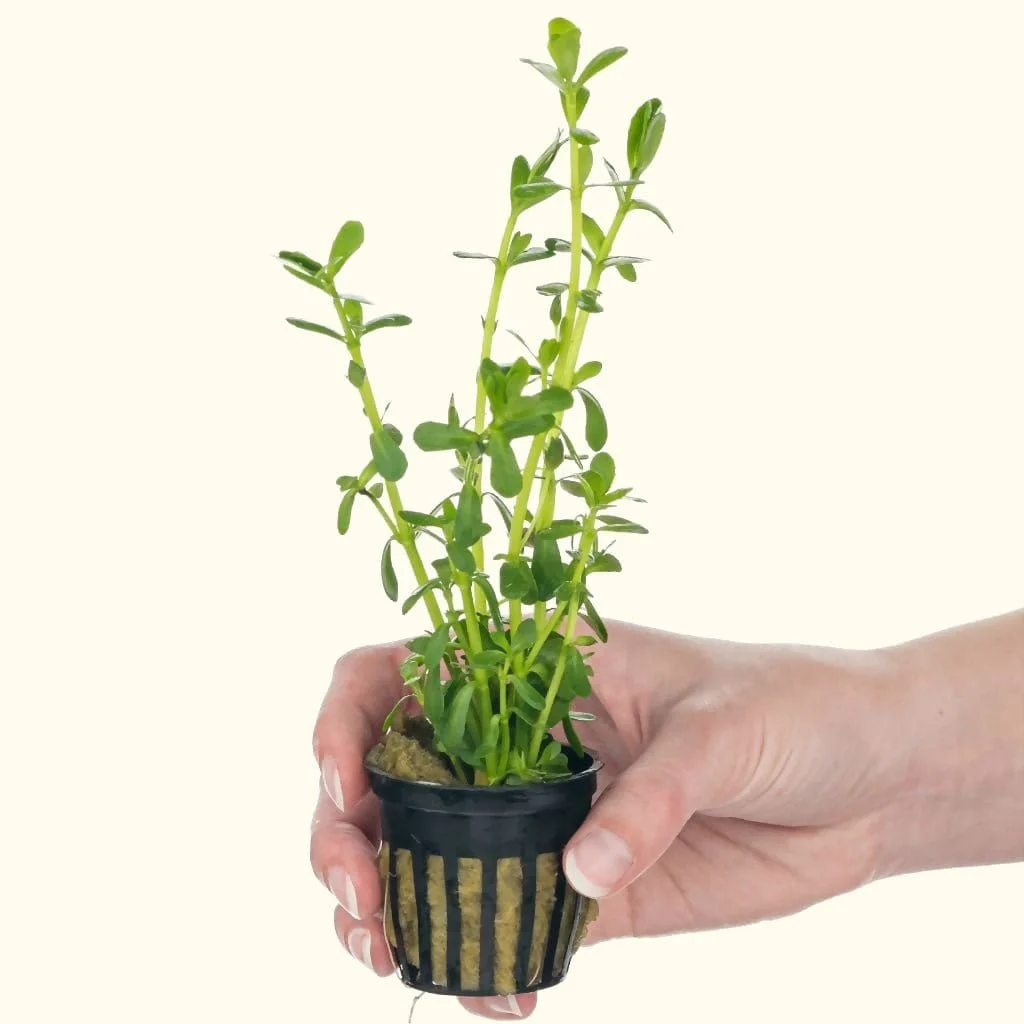
Small, oval bright green leaves along creeping stems. Forms dense mats when trimmed and planted closely.
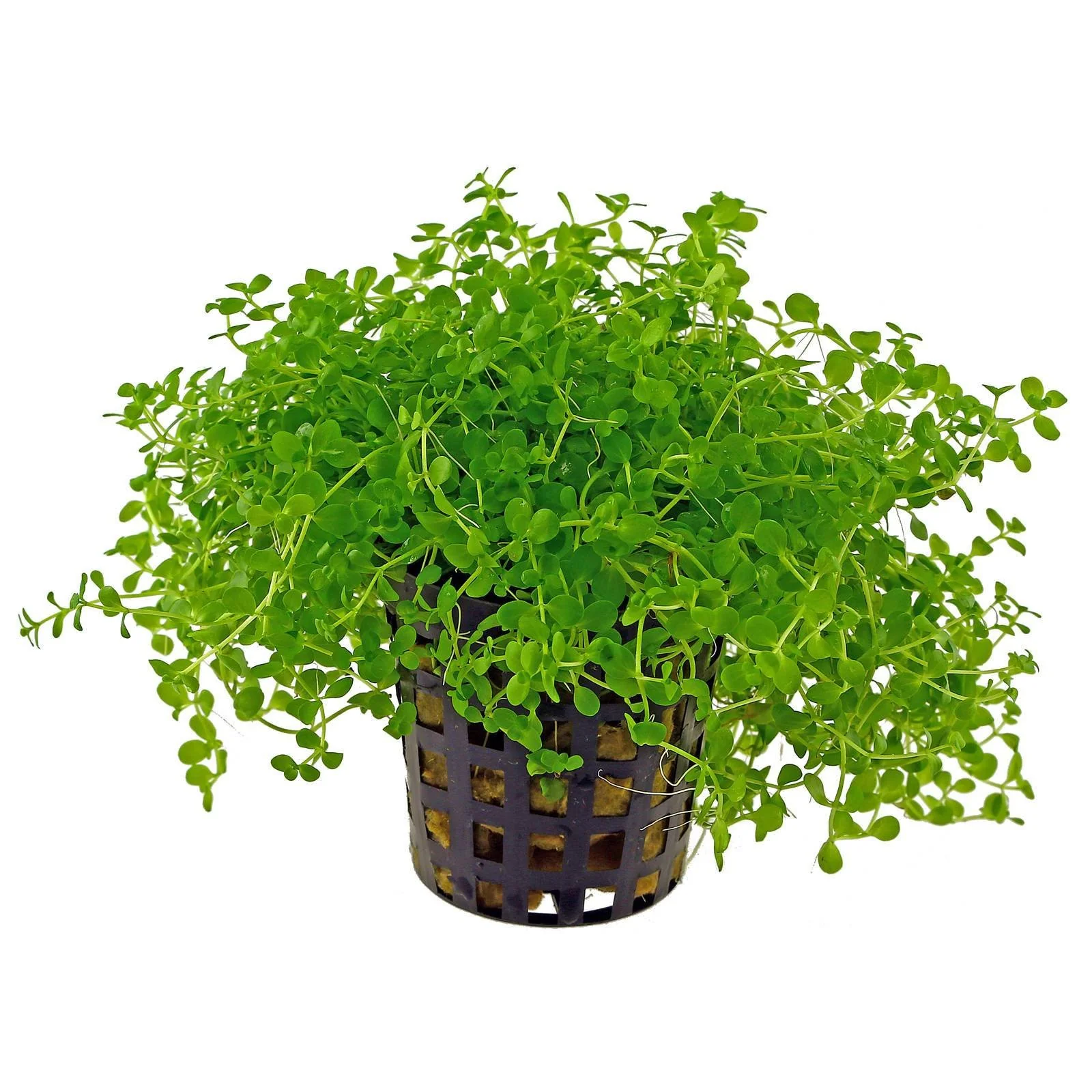
Small, rounded bright green leaves forming tight, carpet-like growth. Creates a natural lush look when planted closely.
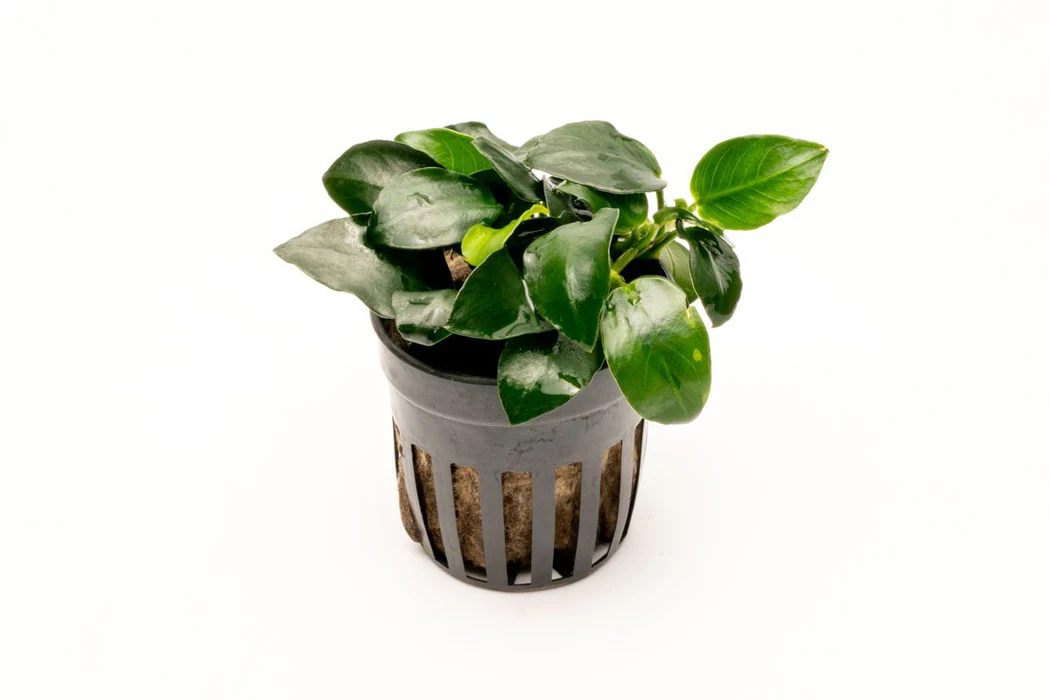
Small, dark green, sturdy leaves growing from a rhizome. Compact size makes it perfect for tight spaces.
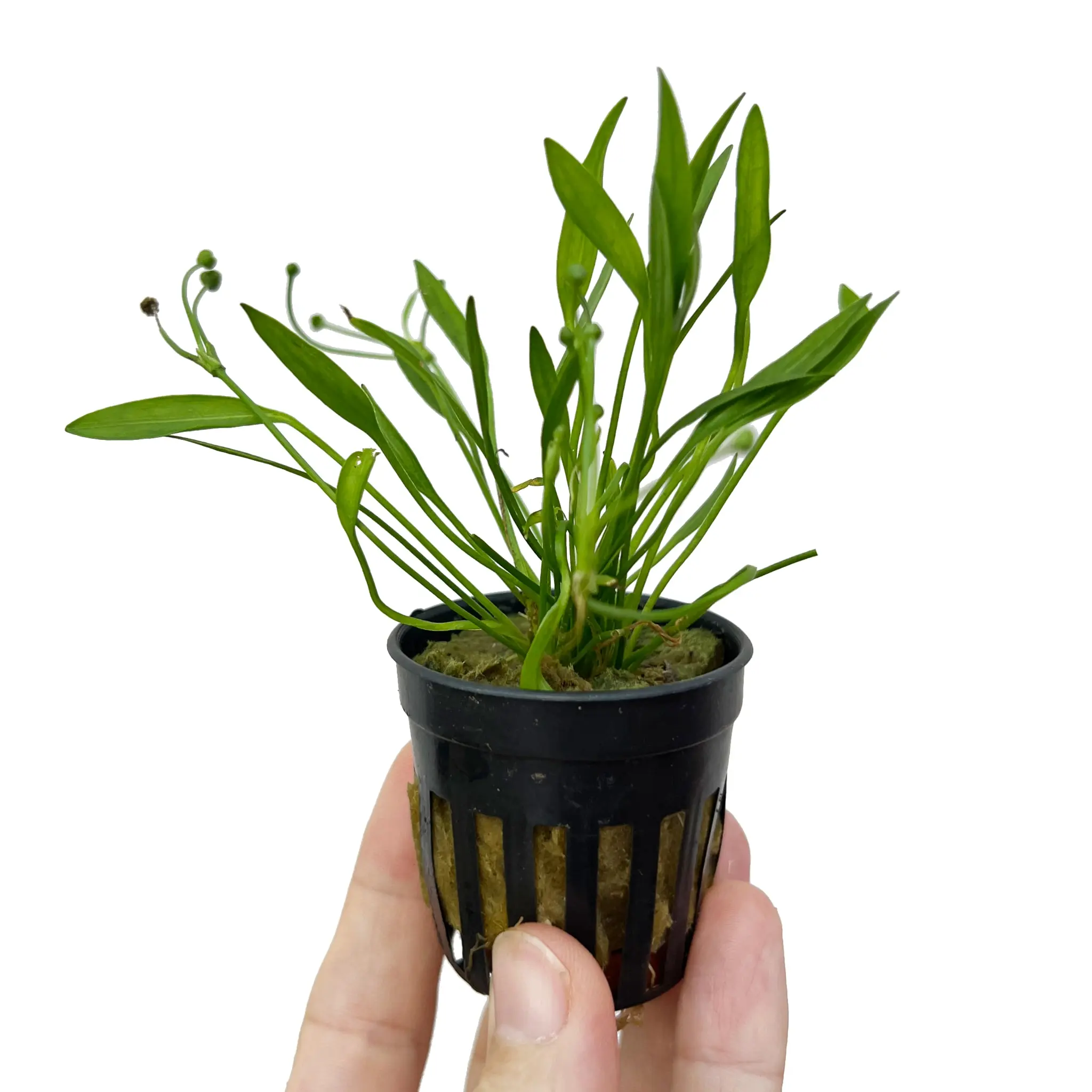
Thin, ribbon-like green leaves forming rosettes. Can grow tall and spread across the substrate.
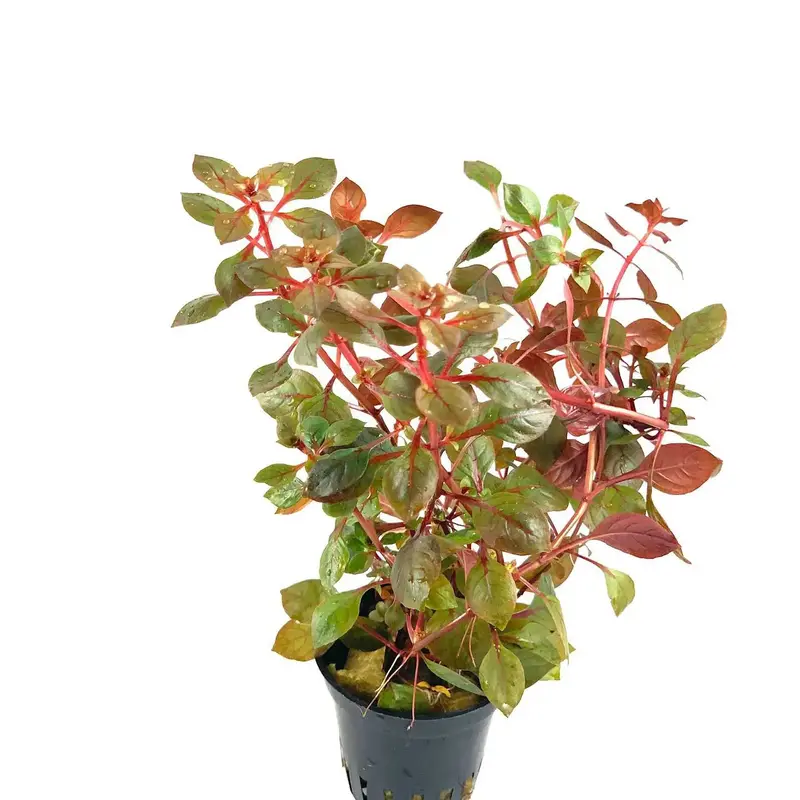
Elongated red leaves that intensify under higher light. Forms bushy, colorful clusters along stems.
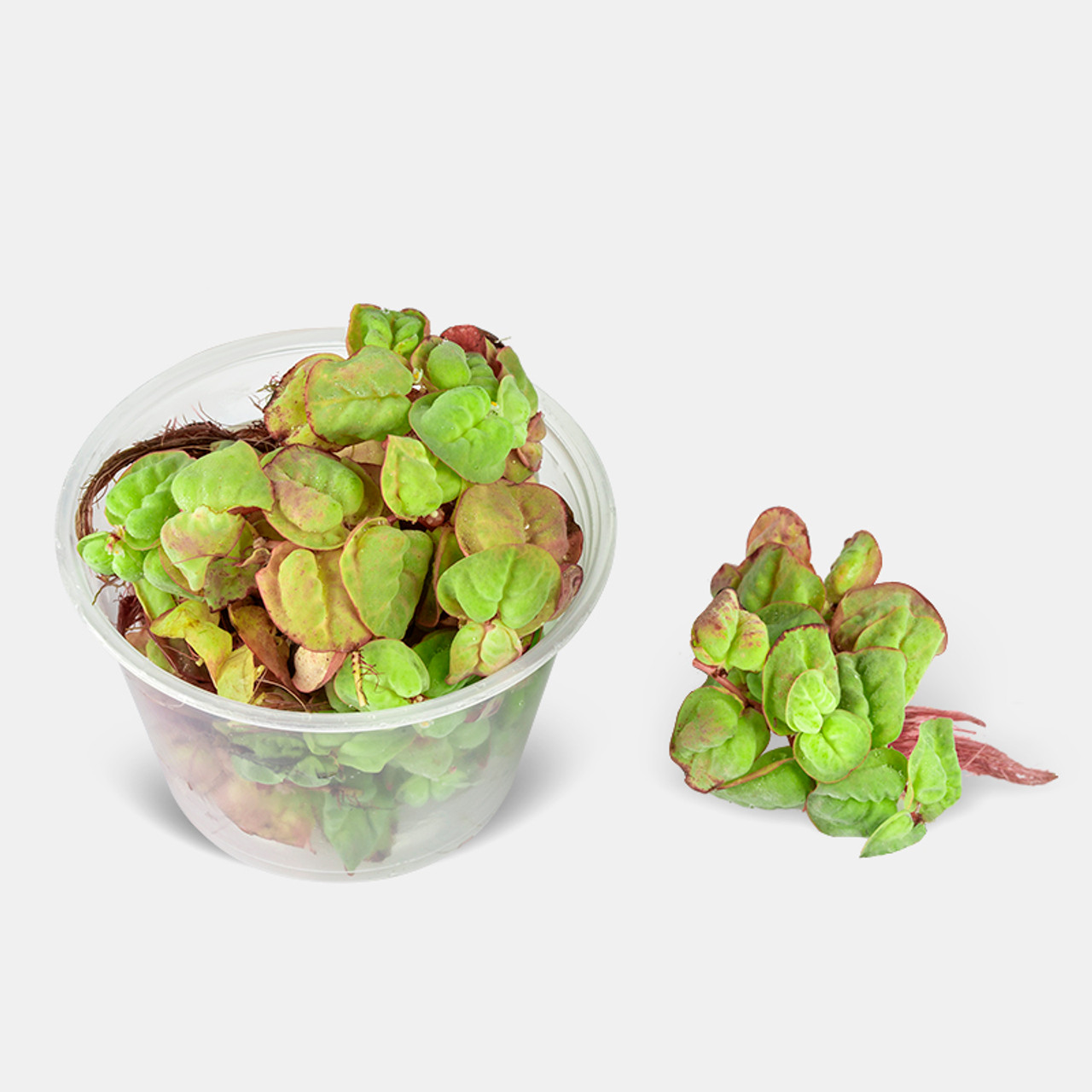
Small green floating leaves with bright red roots dangling below. Forms a natural mat on the water surface.
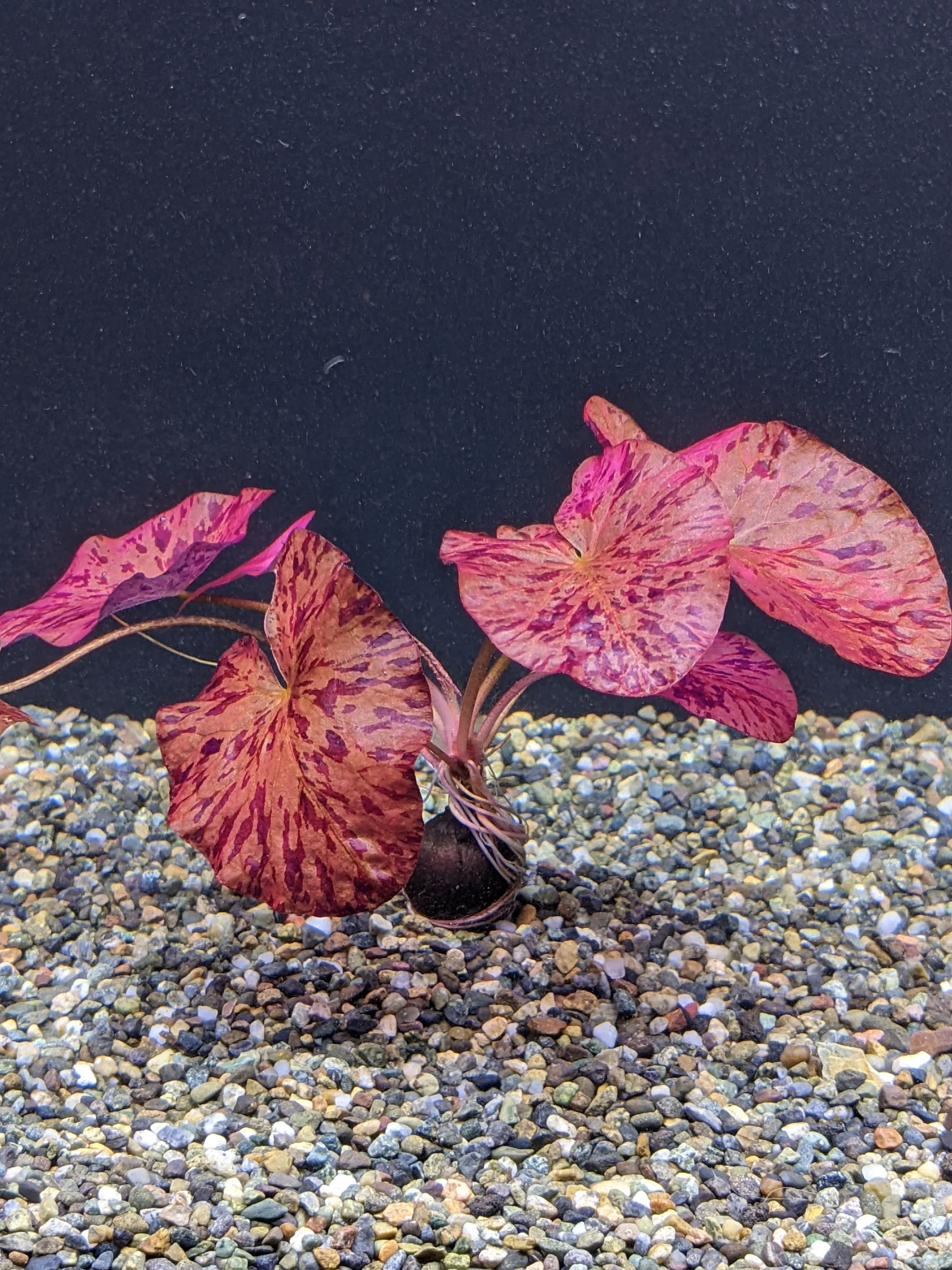
Large, broad leaves with red and green marbling. Can grow above the water surface if emersed.
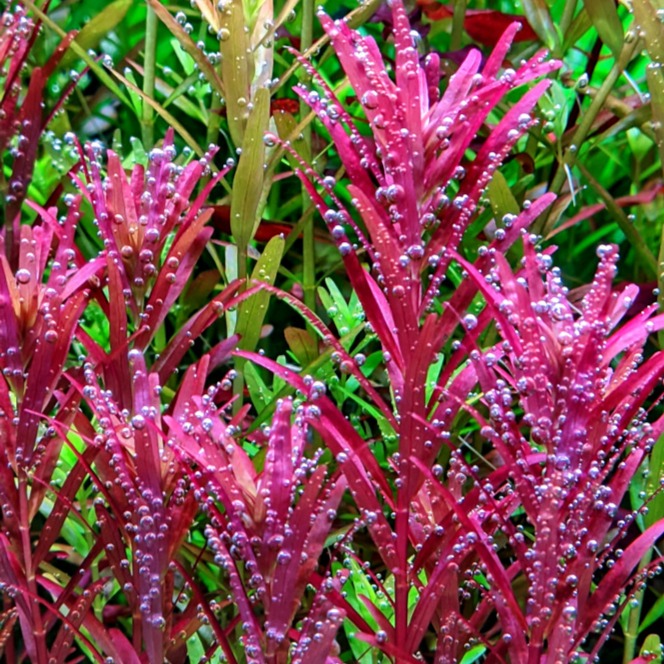
Small, narrow green leaves that can turn red under high light. Grows in bushy, upright stems.

Long, narrow, bright green leaves that can reach the water surface. Forms thick colonies over time.
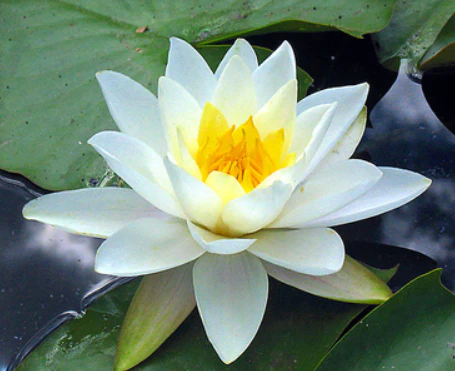
Large round floating leaves with optional blooms in red, pink, or white. Roots anchored in substrate, leaves float on water surface.
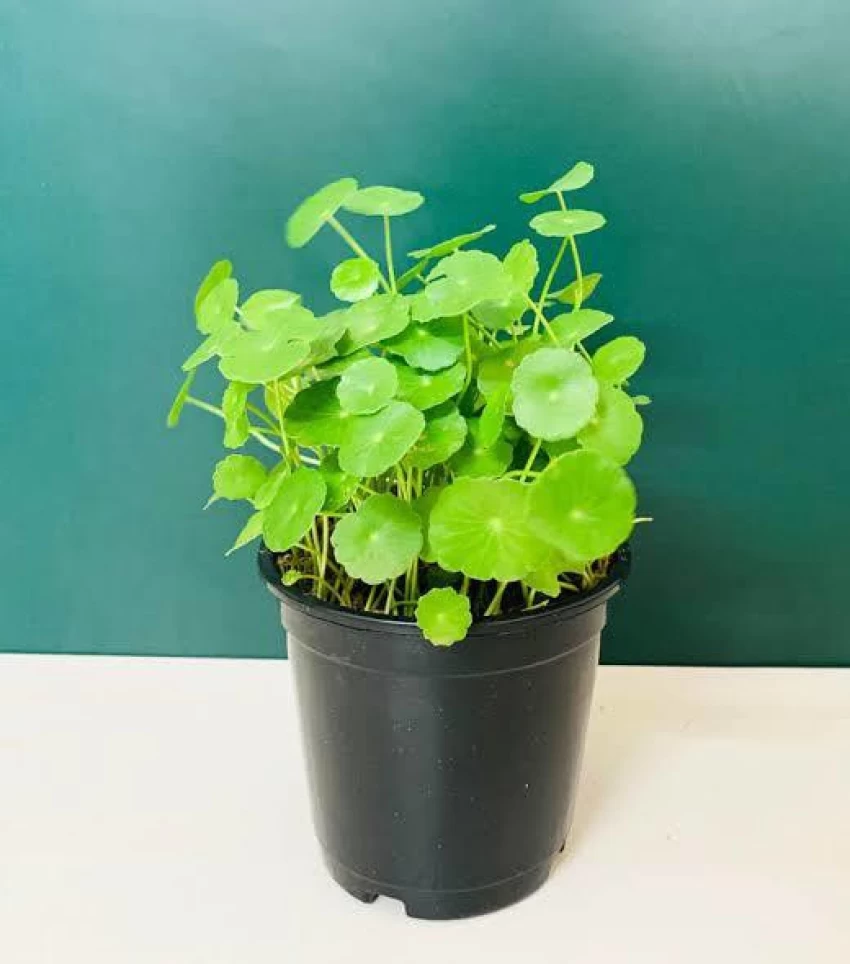
Round, bright green leaves attached to thin stems. Can float on the surface or grow submerged in aquariums.
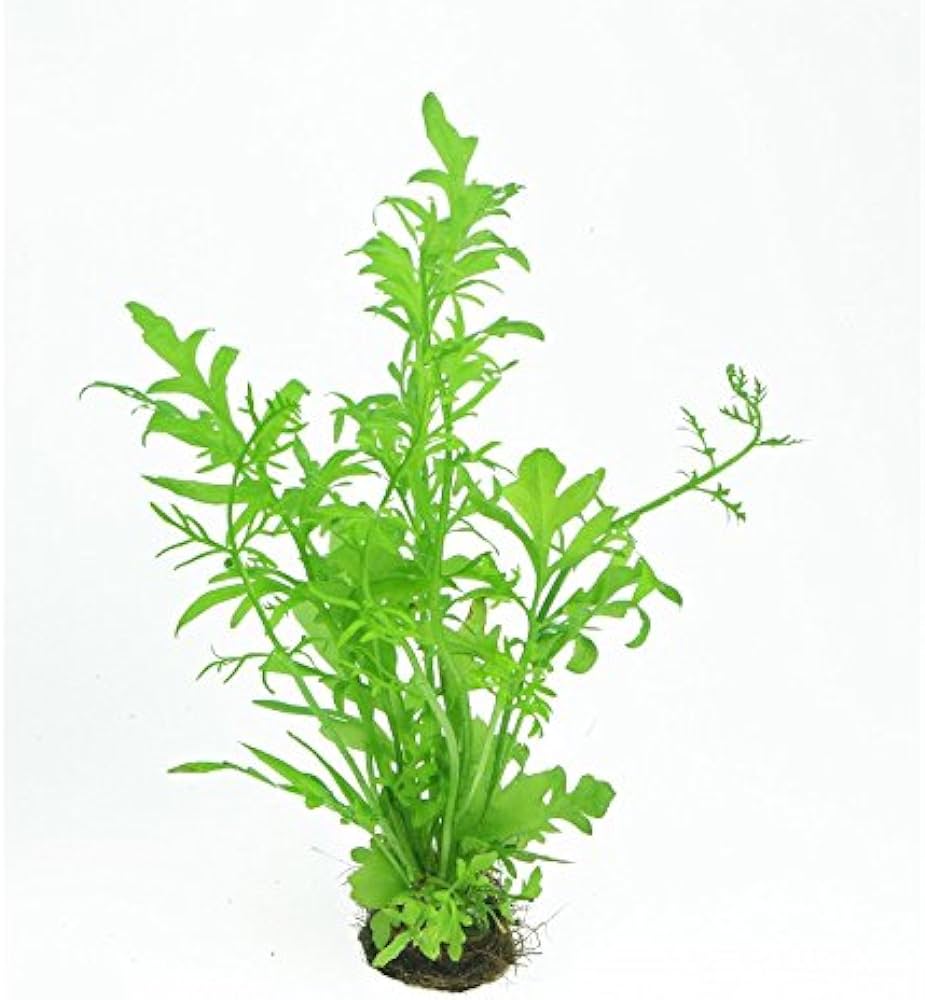
Fine, feathery bright green leaves forming bushy clusters. Can grow submerged or float on the surface.
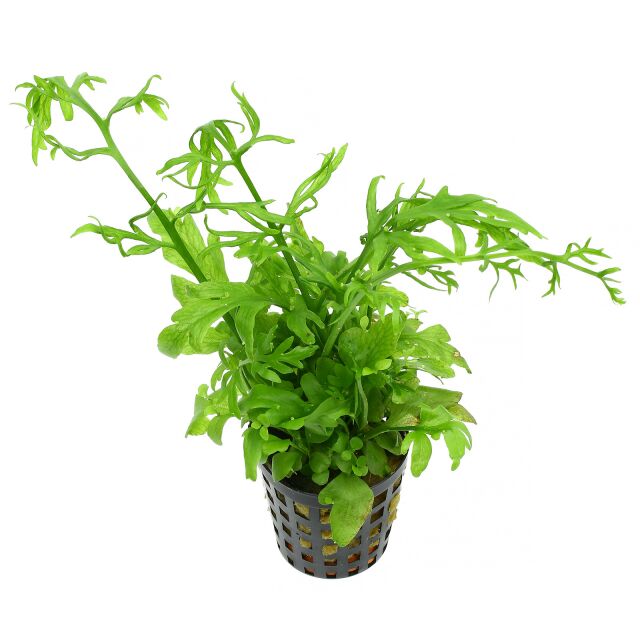
Bright green, lace-like leaves forming bushy clusters. Can grow tall and dense, creating a natural aquarium backdrop.